Are you pouring money into marketing campaigns but struggling to see real results? You’re not alone. Many businesses find themselves caught in the cycle of spending without truly understanding what’s working and what’s draining their budget.
Digital marketing ROI optimization is the process of strategically analyzing, adjusting, and improving your marketing efforts to get the highest possible return on every dollar you invest. Whether you’re running Facebook ads, email campaigns, or content marketing initiatives, optimizing your ROI ensures you’re not just spending money—you’re investing it wisely.
In this guide, you’ll discover practical strategies to track, measure, and dramatically improve your marketing returns without needing a massive budget or technical expertise.
What Is Digital Marketing ROI and Why Does It Matter?
ROI (Return on Investment) is a simple formula that tells you whether your marketing efforts are profitable:
ROI = (Revenue from Marketing – Marketing Cost) / Marketing Cost × 100
For example, if you spend $1,000 on a campaign and generate $5,000 in revenue, your ROI is 400%.
But here’s the thing: most businesses calculate ROI incorrectly or don’t calculate it at all. They look at vanity metrics like likes and impressions instead of actual revenue. Real digital marketing ROI optimization focuses on the metrics that directly impact your bottom line.
Track the Right Metrics for Better Digital Marketing ROI Optimization
Before you can optimize anything, you need to know what to measure. Focus on these key performance indicators:
Revenue-Focused Metrics
- Customer Acquisition Cost (CAC): How much you spend to gain one new customer
- Customer Lifetime Value (CLV): Total revenue a customer generates over their relationship with you
- Conversion Rate: Percentage of visitors who take your desired action
- Cost Per Lead (CPL): How much each potential customer costs you
- Revenue Per Channel: Which platforms generate the most sales
Engagement Indicators
- Email open and click-through rates
- Website bounce rate and time on page
- Social media engagement quality (not just quantity)
- Form completion rates
The golden rule? If a metric doesn’t connect to revenue, it shouldn’t drive your decisions.
7 Proven Strategies for Digital Marketing ROI Optimization
1. Focus Your Budget on High-Performing Channels
Stop spreading your budget thin across every platform. Analyze your data from the past 3-6 months and identify which channels deliver the best returns.
Maybe your Google Ads convert at 8% while your Instagram ads barely hit 1%. That’s valuable information. Shift more budget toward what’s working and either fix or eliminate what’s not.
2. Implement Conversion Rate Optimization (CRO)
Getting more traffic is expensive. Converting existing traffic is free.
Small improvements to your landing pages can double or triple your ROI:
- Simplify your forms (every field you remove increases conversions by about 5%)
- Add clear, benefit-focused headlines
- Include trust signals like testimonials and security badges
- Use contrasting colors for call-to-action buttons
- Test different page layouts with A/B testing
3. Personalize Your Marketing Messages
Generic messages get generic results. Personalization increases engagement and conversions dramatically.
Simple personalization tactics that improve digital marketing ROI optimization:
- Segment your email list by behavior and interests
- Use dynamic website content based on visitor location or past actions
- Create targeted ads for specific audience segments
- Send abandoned cart reminders with product images
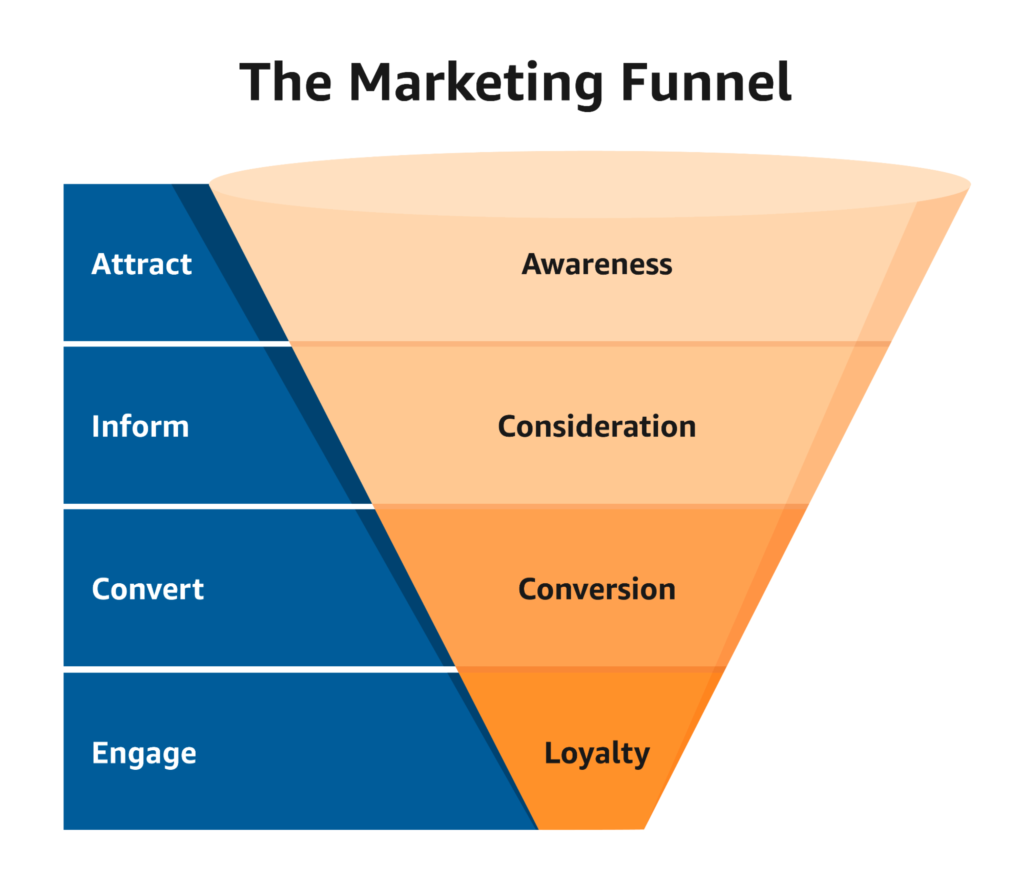
- Tailor your content to different stages of the buyer journey
4. Automate Repetitive Marketing Tasks
Your time is valuable. Marketing automation helps you scale without increasing labor costs.
Automate these processes to boost ROI:
- Welcome email sequences for new subscribers
- Social media post scheduling
- Lead nurturing campaigns
- Follow-up emails after purchases
- Re-engagement campaigns for inactive customers
The initial setup takes effort, but automation runs 24/7 without requiring constant attention.
5. Optimize for Mobile Users
Over 60% of online searches happen on mobile devices. If your website or ads aren’t mobile-friendly, you’re losing money.
Mobile optimization checklist:
- Fast loading speed (under 3 seconds)
- Readable text without zooming
- Easy-to-click buttons and links
- Simple navigation menus
- Mobile-friendly forms
Test your website on multiple devices and fix any issues immediately.
6. Retarget Warm Audiences Instead of Only Chasing New Ones
Only 2% of website visitors convert on their first visit. The other 98% need reminders.
Retargeting campaigns typically cost less and convert better than cold traffic because you’re reaching people who already know your brand. Set up retargeting pixels on your website and create specific campaigns for:
- People who viewed product pages but didn’t buy
- Cart abandoners
- Past customers (upselling opportunities)
- Blog readers who haven’t joined your email list
7. Create Content That Generates Long-Term Returns
Paid ads stop working when you stop paying. Quality content keeps delivering results for months or years.
Invest in content that helps your digital marketing ROI optimization efforts:
- Educational blog posts that rank in search engines
- Video tutorials that solve customer problems
- Comprehensive guides that become industry resources
- Case studies that demonstrate your value
- Email newsletters that keep your brand top-of-mind
Great content is an asset that compounds in value over time.
Common Digital Marketing ROI Optimization Mistakes to Avoid
Even experienced marketers make these costly errors:
Mistake #1: Not Tracking Attribution Properly If you don’t know which touchpoint led to a sale, you can’t optimize effectively. Use proper tracking tools and attribution models.
Mistake #2: Optimizing Too Quickly Give campaigns enough time and data before making major changes. Wait for at least 100-200 conversions before drawing conclusions.
Mistake #3: Ignoring Existing Customers Acquiring new customers costs 5-25 times more than retaining current ones. Don’t forget about the people who already bought from you.
Mistake #4: Copying Competitors Blindly What works for them might not work for you. Test strategies yourself instead of assuming they’ll deliver the same results.
Frequently Asked Questions About Digital Marketing ROI Optimization
What is a good ROI for digital marketing?
A good ROI varies by industry, but most businesses aim for at least 5:1 (earning $5 for every $1 spent). Some industries see 10:1 or higher. The key is ensuring your ROI is positive and improving over time.
How long does it take to see ROI from digital marketing?
Paid advertising can show results within days or weeks. SEO and content marketing typically take 3-6 months to generate significant returns. The timeline depends on your strategy, budget, and competition.
How can I improve my digital marketing ROI quickly?
Focus on quick wins: optimize your best-performing campaigns, improve landing page conversion rates, eliminate underperforming ads, and implement retargeting campaigns. These changes can boost ROI within weeks.
What tools help with digital marketing ROI optimization?
Google Analytics tracks website performance, Google Ads and Facebook Ads Manager show campaign metrics, CRM systems calculate customer lifetime value, and attribution tools like HubSpot or Improvado connect all your data sources.
Should I focus on one marketing channel or use multiple channels?
Start with 1-2 channels where your audience is most active, master those, then expand. Multi-channel marketing typically delivers better ROI, but only when each channel is properly optimized.
Take Action: Start Optimizing Your Digital Marketing ROI Today
You don’t need a huge budget to achieve impressive returns. You need smart strategies, consistent tracking, and the willingness to cut what’s not working.
Start with these three steps:
- Audit your current campaigns and identify your top-performing channels
- Set up proper tracking so you know exactly where your revenue comes from
- Pick one optimization strategy from this guide and implement it this week
Digital marketing ROI optimization isn’t a one-time project—it’s an ongoing process. Every small improvement compounds over time, turning good campaigns into great ones and transforming your marketing from a cost center into a profit engine.
What will you optimize first?
Leave a Reply